
Environmental Advisors, Inc.
Detecting Environmental Risks
Unmasking Firefighter Ailments
Published November 18, 2025
The U.S. Forest Service finally allowed mask use — in 2025. Why did it take this long?
By Bart B. Sokolow, D.Env., P.E., Stephen Baruch, D.Env., and Edward Faeder, Ph.D.
We are writing this piece to honor the men and women who fought the Los Angeles fires earlier this year. As part of our research, we uncovered the wildfire smoke/mask issue whose resolution is long overdue.
The Issue
We know:
More than 16,000 firefighters and emergency personnel were deployed to fight California’s January wildfires:
- 4,700 from CAL FIRE
- 1,000+ from the Governor’s Office of Emergency Services
- 900 incarcerated firefighters
- Support from other states — and even Mexico
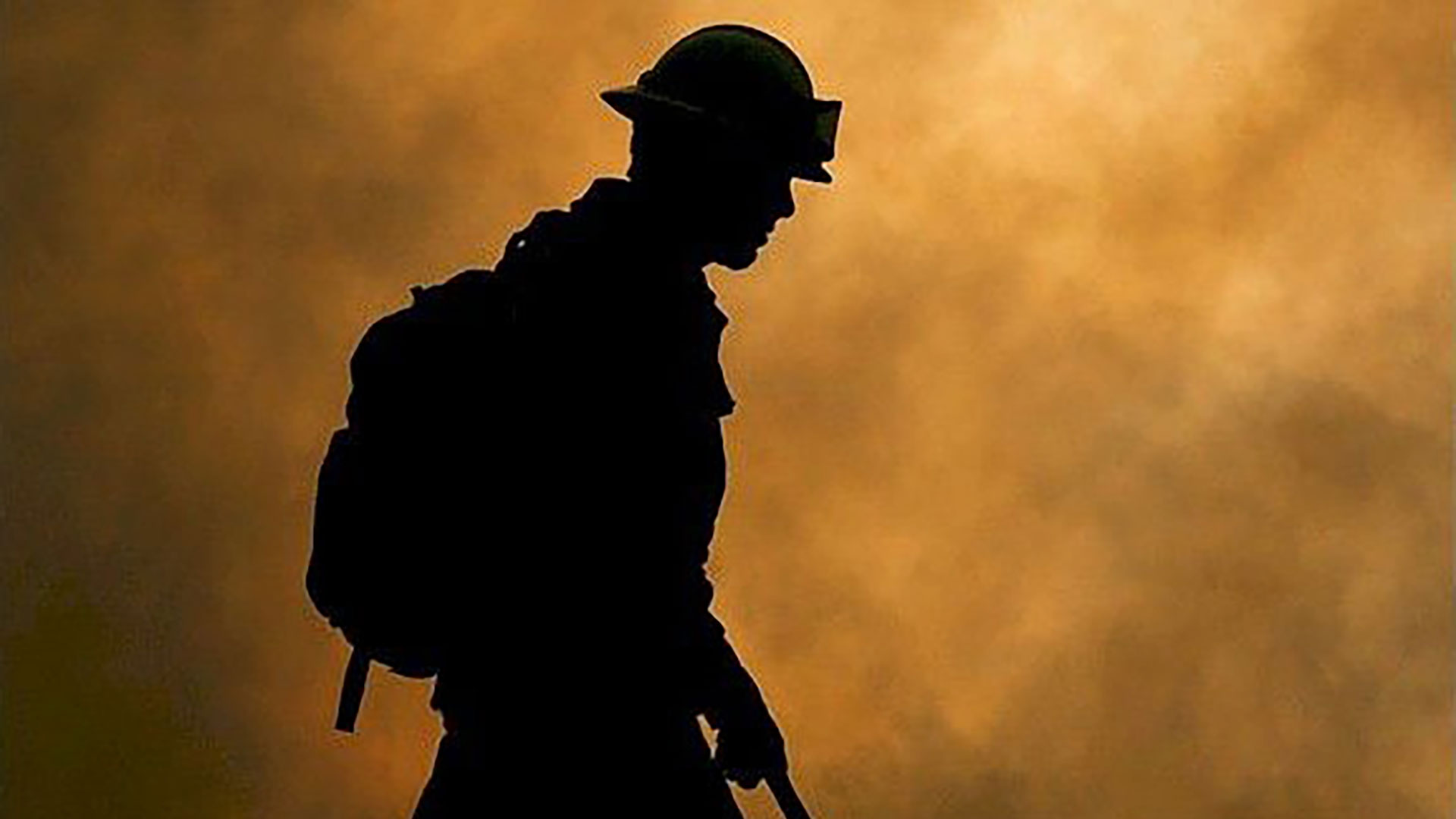
They fought for us — breathing poison for hours, sometimes weeks, on end.
We Were Warned — Decades Ago
In 1988, thousands of Yellowstone firefighters developed severe respiratory symptoms during months of firefighting.
The federal Center for Disease Control [CDC] investigated and issued clear recommendations:
- Ban cloth bandanas — “they offer no protection.”
- Provide respirator masks.
The Forest Service rejected the advice.
Decades later, study after study has confirmed the same truth — wildfire smoke exposure leads to cellular damage, immune dysfunction, and cancer risk. And still, it took until 2025 for the agency to change course.
Urban Fire Fighter Protection
It would be unthinkable for an urban city firefighter to enter a burning building without a respirator.
Yet wildland firefighters — tens of thousands of them — fight weeks-long infernos in thick, toxic smoke with nothing more than a cloth bandanna.
The U.S. Forest Service’s own researchers have warned for years about these dangers, urging the agency to:
- Provide respirators
- Track exposures
- Study long-term health effects
Instead, their safety manual omit smoke hazards entirely. Even firefighters who bought their own masks weren’t allowed to use them. NIOSH has reviewed acceptable mask options1. The New York Times Wirecutter column details their research into The Best Respirator Mask for Smoke and Dust; they review available respirators from N95s to half facepiece reusable respirators.
Other nations — Canada, Australia, Greece — already equip their crews with half-face respirators that block 99% of particulates2. None have seen increased heatstroke or performance loss.
Meanwhile, the U.S. Forest Service says it’s “continuing to monitor international practices.”
The “New” Policy
In September, 2025, the U.S. Forest Service quietly reversed a decades-old policy. They now permit firefighters to voluntarily use N95 face mask respirators while battling wildfires in the United States.
For years, federal wildland firefighters have been barred by the US Forest Service from wearing anything more protective than a cloth bandanna. But under mounting pressure from lawmakers, growing evidence of smoke-related illness and articles in The New York Times, the agency is finally acknowledging what has been obvious for decades: wildfire smoke is toxic.
Health risks: The policy change is a direct response to the recognized health risks associated with wildfire smoke.
“The fault, dear Brutus, lies not in our stars, but in ourselves.”
— William Shakespeare, Julius Caesar
“Those who cannot remember the past are condemned to repeat it.”
— George Santayana, The Life of Reason (1905)
The U.S. Forest Service’s new guidance as of September 2025 allows voluntary use of N95 masks3 — a modest step, decades late.
Policy reversal: The Forest Service now permits the voluntary use of N95 masks after a decades-old ban. This reversal follows pressure from lawmakers and public reporting on the health impacts of smoke exposure on firefighters.
- New guidance: The National Interagency Fire Center has issued new guidance for the voluntary use of N95 respirators.
- Health risks: The policy change is a direct response to the health risks associated with wildfire smoke. These risks include cancers and pulmonary and cardiac issues, that have been linked to long-term exposure to wildfire smoke. A single intense exposure to smoke and particulates has the potential to cause long-term cardiovascular and respiratory effects, according to Dr. Anna Nolan, a pulmonologist at NYU Langone Health who has researched the impacts of particulate exposures after 9/11. Some of researchers’ understanding about potential long-term effects comes from studies done after September 11, 2001, in which many frontline workers, volunteers, and civilians were exposed to dust, ash, and smoke in the days and weeks after the World Trade Center attack.
- A 2010 study, Lung Function in Rescue Workers at the World Trade Center after 7 Years, led by researchers at Albert Einstein College of Medicine of Yeshiva University and Montefiore Medical Center, in collaboration with the FDNY, [and published in the New England Journal of Medicine] found that this exposure led to substantial—and persistent—declines in lung function among first responders. A more recent study, Characteristics of Cancer Patients in the World Trade Center Environmental Health Center published in 2020 in the International Journal of Environmental Research and Public Health looked at cancer characteristics of community members, who may have had chronic exposure to dust in the weeks after 9/11. It may take four to six weeks after initial exposure to feel respiratory symptoms, according to Dr. Panagis Galiatsatos, a pulmonologist and associate professor of medicine at Johns Hopkins School of Medicine.
- Why now: Lawmakers and scientists pressed for reform after public reporting revealed widespread illness linked to smoke exposure.
- Limitations: The masks filter particulates like PM2.5, not gases or vapors — and maintaining a seal during intense activity is difficult.
- Arduous work exemption: Firefighters are still barred from wearing masks during “arduous”4 work — meaning many will remain unprotected when they need protection most.
- Training gaps: OSHA requires fit testing and training, but few departments are equipped to implement this quickly5
- No standards: There are still no NFPA or NIOSH standards for wildland firefighting respirators.
So yes — the policy has changed. But on the ground, very little has.
The Cost of Fire
As The New York Times reported:
“The smoke from the wildfires that burned through Los Angeles in January smelled like plastic and was so thick that it hid the ocean. Firefighters who responded developed instant migraines, coughed up black goo and dropped to their knees, vomiting and dizzy.”
— Hannah Dreier, NYT, August 17, 2025
The Human Toll
“I cough for weeks at a time and wake up at night gasping for breath.”
— Zebula Hebert, 15-year wildfire veteran
Hebert developed chronic obstructive pulmonary disease in his late 30s. Another firefighter, Adrian Hahn, was diagnosed with a brain tumor at 45.
These aren’t isolated cases — they’re the pattern. Researchers have identified 31 carcinogens in wildfire smoke6. And nearly every firefighter interviewed by The New York Times — over 250 in all — said the same thing:
“Smoke damage isn’t the exception. It’s part of the job.”
Exposure Background
In 2022, the International Agency for Research on Cancer (IARC) classified occupational exposure during firefighting as a Group 1 carcinogen — meaning it definitely causes cancer in humans.
Firefighters face higher risks of:
🔥 Cancer — testicular, prostate, and multiple myeloma
❤️ Cardiovascular disease — the leading cause of firefighter deaths
💨 Respiratory illness — long-term damage from toxic particulates
👂 Hearing loss — from years of explosive sound exposure
They are routinely exposed to asbestos, benzene, formaldehyde, and PFAS — chemicals tied to cancer and chronic disease.
📉 Firefighters face a higher-than-average risk of cancer than the general public.
When Leadership Looks Away
Some Forest Service supervisors have stopped waiting for permission.
“After watching my crew get sick — headaches, nausea, black smoke in their lungs — I ordered masks on Amazon.”— Michelle Herrin, veteran fire supervisor
Herrin encouraged her crew to protect themselves, even if it meant breaking protocol.
What We Owe Them
We call firefighters heroes — and they are.
But true respect means more than praise. It means protection.
The U.S. Forest Service must stop “monitoring” and start acting — to ensure every firefighter has the equipment they need to survive the job and the years that follow.
The science is clear. The suffering is visible. The choice is ours.
Because courage should never come at the cost of breath.
🧯 Sources & Further Reading
- The New York Times, Aug 17, 2025 — “The Unprotected: Wildfire Smoke and the U.S. Firefighters Left Behind”.
- International Agency for Research on Cancer (IARC), 2022 — Occupational Exposure in Firefighting Report.
- Centers for Disease Control (CDC), 1989 — Health Hazards in Wildfire Suppression Findings.
- Forest Service Handbook 6709.11 — Health & Safety Code Handbook, Ch. 60, Hazardous Materials.
- “Respiratory Protection for Wildland Firefighters Market Survey Report” prepared by the National Urban Security Technology Laboratory—in conjunction with the Department of Energy Pacific, Northwest National Laboratory https://www.dhs.gov/sites/default/files/2022-11/28_11_22_st_wildlandfirefighterrespirators_msr.pdf
- OregonLive, Sept 11, 2025 — “U.S. Forest Service to provide firefighters with masks after news coverage highlights health risks”
- Wildfire Fighters Work In Heavy Smoke, And In Canada Have Little Protection, CBC Katie Nicholson · CBC July 6, 2023, https://www.cbc.ca/news/canada/wildfire-fighters-smoke-protection-1.6897879.
- J. Samet, A. Downey and O. C. Yost, “Frameworks for Protection Works and the Public from Inhalation Hazards,” National Academies of Sciences, Engineering, and Medicine, Washington, DC, 2022
- Centers for Disease Control and Prevention, “Considerations for Optimizing the Supply of Powered Air-Purifying Respirators (PAPRs),” 3 November 2020. https://www.cdc.gov/coronavirus/2019-ncov/hcp/ppe-strategy/powered-air-purifyingrespirators-strategy.html.
- Occupational Safety and Health Administration, “Particulate Respirators Certified under 42 CFR Part 84,” 3 September 1996. https://www.osha.gov/lawsregs/standardinterpretations/1996-09-03
- S. Hallett, F. Toro and J. V. Ashurst, “Physiology, Tidal Volume,” National Library of Medicine, 8 May 2022. https://www.ncbi.nlm.nih.gov/books/NBK482502/.
- British Broadcasting Corporation, “Lung volumes and vital capacity,” British Broadcasting Corporation, 2022. https://www.bbc.co.uk/bitesize/guides/z3xq6fr/revision/2
- Occupational Safety and Health Administration, “1910.134 – Respiratory Protection,” https://www.osha.gov/lawsregs/regulations/standardnumber/1910/1910.134.
- U.S. Environmental Protection Agency, “Particulate Matter (PM) Basics,” 26 May 2021. https://www.epa.gov/pm-pollution/particulate-matter-pm-basics.
- Environmental Protection Agency, “Why Wildfire Smoke is a Health Concern,” 9 November 2021. https://www.epa.gov/wildfire-smoke-course/why-wildfire-smoke-health-concern.
- G. Broyles, “Wildland Firefighter Smoke Exposure,” October 2013. https://www.frames.gov/documents/catalog/broyles_2013_wildland-firefighter-smoke exposure_1351-1803.pdf.
- J. Philip D. Meyers, “Activated Carbon Air Filters: Everything You Need to Know,” Molekule, 31 January 2018. https://molekule.science/activated-carbon-air-filter/.
- National Wildfire Coordinating Group, “National Wildfire Coordinating Group Glossary,”https://www.nwcg.gov/term/glossary/direct-attack .
- How firefighters’ life-saving work puts them at a higher risk of cancer, PBS New hour, Sep 28, 2022, https://www.pbs.org/newshour/show/how-firefighters-life-saving-work-puts-them-at-a-higher-risk-of-cancer
- Do Firefighters Have a Shorter Life Expectancy? Firefighter Risk, https://firefighterinsider.com/do-firefighters-have-a-shorter-life-expectancy-firefighter- risk/
Respirator Types and Use, Personal Protective Equipment, NIOSH
Wildfire Fighters Work In Heavy Smoke, And In Canada Have Little Protection, CBC Katie Nicholson , CBC July 6, 2023.
Voluntary Respirator Use: Employees may voluntarily choose to wear a respirator if the following requirements are met: the employer (1) has determined that voluntary use of a respirator is acceptable, (2) has determined no other inhalation hazards exist in the environment for which the respirator is not designed to protect against and (3) complies with the requirements of 29 CFR 1910.134 Appendix D. Inhalation hazards can include gases, vapors, or very small solid particles. This likely means respirators may be worn voluntarily in fire camps but use on the fireline may require monitoring to prevent exposures above thresholds values.
Occupational Safety & Health Administration’s (OSHA) Respiratory Protection Standard [29 CFR 1910.134f] is the standard requiring that before any firefighter is required to use any respirator with a tight fitting facepiece, which covers the self contained breathing apparatus (SCBA) used by firefighters. The firefighter must be fit tested with the same make, model, style, and size respirator that he/she will be wearing. They must also be retested, at least annually, thereafter. Additionally, fit testing must be performed again if the fire department decides to use a different make, model, style, or size of respirator, if the firefighter, chief, physician, or other licensed health care professional (PLHCP) makes a visual observation of any physical changes in the firefighter that could affect the facepiece fit, or if the firefighter notifies the chief or PLHCP that the current respirator is unacceptable. It is highly recommended that each firefighter be assigned his/her own mask. [Having a Beard will almost always force a failed test.]
Unknown Risks of Respirator Use: Arduous work while wearing respirators may increase the risk of heat-related illness and dehydration and reduce performance. Further study is needed to understand these risks in the wildfire environment. Products such as masks, gaiters, or hoods which are not respirators, may be worn to provide comfort however their effectiveness for particulate matter is unknown and will not protect against combustion by-products.
All employers who require the use of respirators at work must implement an OSHA compliant Respiratory Protection Program (RPP) with medical screening, annual training, initial and annual respirator fit tests, a process to ensure employees can maintain a good seal and select a National Institute for Occupational Safety and Health (NIOSH) Approved® respirator.
What is Fit Testing? Occupational Safety & Health Administration’s (OSHA) Respiratory Protection Standard [29 CFR 1910.134f] is the standard requiring that before any firefighter is required to use any respirator with a tight fitting facepiece, which covers the self contained breathing apparatus (SCBA) used by firefighters. The firefighter must be fit tested with the same make, model, style, and size respirator that he/she will be wearing. They must also be retested, at least annually, thereafter. Additionally, fit testing must be performed again if the fire department decides to use a different make, model, style, or size of respirator, if the firefighter, chief, physician, or other licensed health care professional (PLHCP) makes a visual observation of any physical changes in the firefighter that could affect the facepiece fit, or if the firefighter notifies the chief or PLHCP that the current respirator is unacceptable. It is highly recommended that each firefighter be assigned his/her own mask. Having a Beard will almost always force a failed test.
An article in the October 2024 issue of the Journal of Occupational and Environmental Hygiene addresses exposures to carcinogens among wildland firefighters. The authors reviewed 49 papers published from 1992 to 2023 that reported exposures to 31 carcinogens as classified by the International Agency for Research on Cancer or individual countries, including the United States. The information from the review article focuses on four substances that IARC has classified as Group 1, the agency’s designation for known human carcinogens. From “A Review of Occupational Exposures to Carcinogens Among Wildland Firefighters”: “Although few papers reported exposure concentrations that exceeded the 8-hr OELs for individual contaminants, the duration of wildfire assignments, long hours worked, and the increasing length of the wildfire season may result in higher cumulative exposures and increased risk of cancer from occupational exposures associated with wildland firefighting.”
Give us a call at 818-907-6565 or email advisors@environmental-advisors.com.
Copyright Environmental Advisors, Inc.